
Modular classrooms have become an essential solution for schools facing rapid growth, changing enrolment patterns, and evolving curriculum needs in Ireland. As student numbers increase and educational demands shift, many schools require additional space that can be delivered quickly without disrupting learning environments. Modular construction provides a practical and adaptable approach to meeting these challenges.
In Ireland, schools must balance safety, comfort, functionality, schedule, and budgetary constraints, whilst responding to space constraints. Modular classrooms in Ireland are designed specifically for educational use, supporting modern teaching methods and student wellbeing. These buildings are not temporary stopgaps but purpose-built learning environments that align with long-term planning strategies.
Another key advantage lies in predictability. Modular classrooms are manufactured using repeatable processes, ensuring consistent quality, predictable schedule, and reliable outcomes. This allows school administrators to plan expansions with confidence. As requirements for educational facilities continue to evolve in Ireland, modular solutions offer the flexibility needed to adapt without compromising learning standards.
The Growing Need for Flexible School Spaces
Schools across Ireland are experiencing increasing pressure on space. Population growth, curriculum changes, and inclusive education models all contribute to the need for adaptable facilities. Traditional construction methods often struggle to respond quickly to these changes.
Modular classrooms provide schools with the ability to respond efficiently to fluctuating demand. Whether accommodating additional students or introducing specialist teaching spaces, modular solutions allow schools to expand without long delays.
Flexibility is especially important in education. Learning environments must evolve alongside teaching approaches. Modular systems allow classrooms to be reconfigured or relocated as needs change. This ensures that facilities remain relevant and effective over time.
By supporting flexible growth, modular classrooms help schools maintain continuity in education delivery.
Modular Classrooms and Modern Learning Design
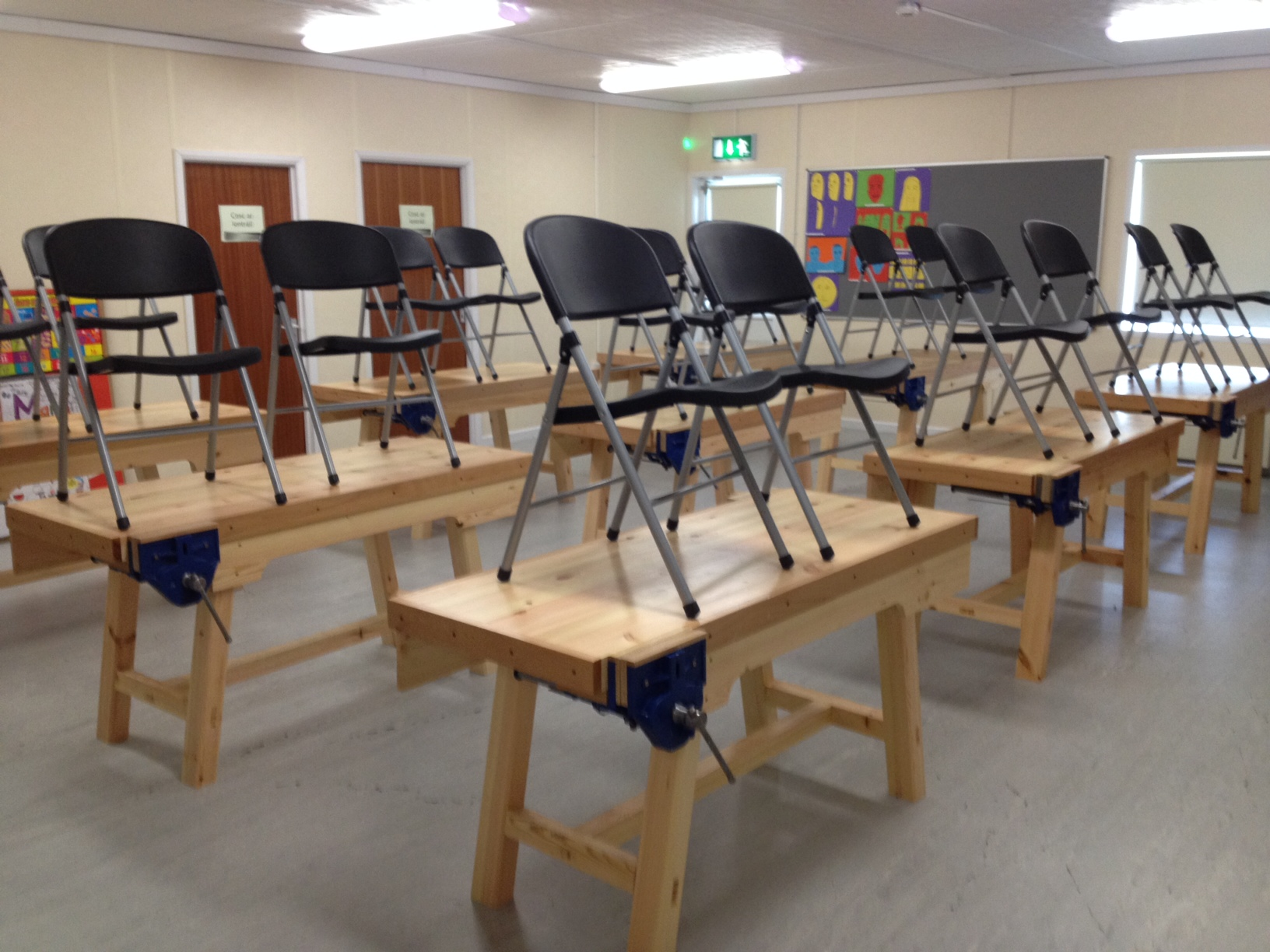
Modular classrooms are designed with modern education in mind. These spaces support collaborative learning, digital integration, and flexible teaching layouts. Unlike outdated perceptions, modular classrooms offer high-quality finishes and thoughtful design.
Manufactured in controlled environments, modular classrooms achieve consistent quality and performance. This ensures classrooms are comfortable, well-lit, and acoustically balanced. These factors contribute directly to student focus and engagement.
Design considerations often include:
- Spacious interiors that support varied teaching styles
- Integrated technology infrastructure
- Natural light and ventilation
Modular classrooms combine speed of delivery with design quality, making them suitable for long-term educational use.
The Role of Modular Classrooms in fulfilling Short-Term Demand
Modular classrooms play a vital role in addressing short-term space requirements in Ireland. Schools may face sudden increases in enrolment or require space during refurbishment projects. Modular solutions offer a reliable response to these scenarios.
Although described as temporary, these classrooms are designed to meet educational standards and have a long design life (60 years). They provide safe, comfortable environments that support uninterrupted learning.
Temporary modular classrooms can be deployed efficiently and removed when no longer needed. This flexibility allows schools to manage capacity without committing to permanent changes prematurely.
By addressing short-term needs effectively, modular classrooms support continuity in education planning in Ireland
Modular Solutions for School Expansion
Modular school expansion strategies allow educational institutions to grow in a structured and manageable way. Modular school expansion supports phased development, enabling schools to add capacity incrementally and in line with demand and available budget.
This approach reduces disruption to daily school operations. New classrooms can be installed with minimal impact on students and staff. Modular expansion also allows schools to test new layouts or programmes before committing to permanent changes.
Key benefits of modular school expansion include:
- Controlled and predictable growth
- Reduced disruption to learning schedules
- Adaptability to future enrolment changes
- Phased approach to budgetary demands.
Through modular expansion, schools can align infrastructure development with educational goals.
Turnkey Modular Schools and Operational Readiness
Turnkey modular schools are delivered as complete, ready-to-use facilities. This approach simplifies planning and ensures that classrooms are operational upon completion.
Modular systems integrate structure, finishes, and services during the offsite manufacturing process. This reduces on-site work and improves quality control. Schools benefit from spaces that are fully prepared for teaching activities from day one.
Turnkey delivery also supports consistency across multiple classrooms. This is especially useful for larger expansions where uniformity supports ease of use and maintenance.
By choosing turnkey modular schools, educational providers gain certainty and efficiency, without compromising functionality, quality, and aesthetic appearance
Modular Classroom Hire and Flexible Planning
Modular Classroom hire offers schools a flexible option for managing fluctuating space needs. Modular classrooms can be introduced for defined periods and adjusted as requirements change, allowing for classroom capacity scalability, both upwards and downwards.
This approach supports schools undergoing redevelopment or facing temporary enrolment increases. Modular hire solutions allow administrators to respond quickly without long-term commitment.
Hired classrooms maintain the same quality standards as permanent modular buildings. They provide suitable learning environments whilst at the same time enabling adaptable planning strategies.
Through classroom hire, modular classrooms support responsive and efficient space management solutions
Quality, Safety, and Compliance in Modular Classrooms
Safety and quality are critical in educational environments. Modular classrooms are designed to meet required standards for structural integrity, fire safety, and accessibility.
Controlled manufacturing processes support consistent quality across all modules. Materials and finishes are selected to support durability and ease of maintenance. This ensures classrooms remain safe and functional throughout their use.
Layouts are designed to support supervision, clear movement, and inclusive access. These considerations contribute to a positive learning environment for students and staff.
By prioritising quality and safety, modular classrooms support long-term educational outcomes.
Sustainability and Environmental Responsibility
Sustainability is increasingly important in school development. Modular construction supports responsible resource use through efficient manufacturing and reduced waste.
Energy efficiency is enhanced through precise construction methods and consistent insulation standards. This supports comfortable learning environments whilst reducing environmental impact.
Modular buildings can also be adapted or reused, extending their lifecycle. This flexibility aligns with sustainable planning principles in educational infrastructure.
Through sustainable design, modular classrooms support both environmental and educational responsibility.
Supporting Teachers and Students Through Design
Effective classroom design supports both teaching and learning. Modular classrooms are planned to enhance visibility, acoustics, and comfort. These factors contribute to improved focus and engagement.
Teachers benefit from adaptable layouts that support different teaching methods. Storage, technology access, and clear circulation improve daily workflows.
Students benefit from bright, well-ventilated spaces that support concentration and wellbeing. Modular design allows these features to be delivered consistently across classrooms.
By supporting users, modular classrooms contribute to positive educational experiences.
The Future of Modular Classrooms in Ireland
As educational needs continue to evolve, infrastructure must remain adaptable. Modular classrooms provide a future-ready solution for schools facing uncertainty and change.
Advancements in design and manufacturing will continue to improve performance and flexibility. Modular classrooms can increasingly support specialist subjects and innovative teaching approaches.
With ongoing demand for adaptable school spaces, modular solutions will remain central to education planning across Ireland.
Conclusion and Next Steps
Modular classrooms offer a fast, flexible, and reliable solution for schools managing growth and change. Through quality design, scalability, and adaptability, modular classrooms support modern education delivery.
Instaspace Modular provides expertise in delivering modular classroom solutions tailored to the needs of Irish schools. By choosing modular construction approaches, schools can plan confidently whilst maintaining high standards of learning environments.
Take the next step with Instaspace and explore how modular classrooms can support your school’s future needs.
Frequently Asked Questions
Q1. What are modular classrooms used for in Ireland?
Modular classrooms Ireland are used to support additional teaching space, specialist rooms, and temporary accommodation. They provide flexible solutions for schools facing growth or refurbishment. These classrooms support uninterrupted learning.
Q2. Are modular classrooms suitable for long-term use?
Yes, modular classrooms are designed for durability and long-term educational use, and have a design life of 60 years. They meet quality and safety standards required for schools. Their adaptable design supports evolving teaching needs.
Q3. How do temporary classrooms support schools?
Temporary classrooms help schools manage short-term space requirements. They allow rapid response to enrolment changes or building projects. This ensures continuity in education delivery and classroom capacity scalability in-line with demand.
Q4. Can modular classrooms be expanded or relocated?
Modular classrooms are designed for flexibility. They can be expanded, reconfigured, or relocated as school needs change. This supports long-term planning and adaptability.
Q5. Do modular classrooms support modern teaching methods?
Yes, modular classrooms support technology integration and flexible layouts. They are designed to accommodate collaborative and digital learning. This makes them suitable for modern education environments.