

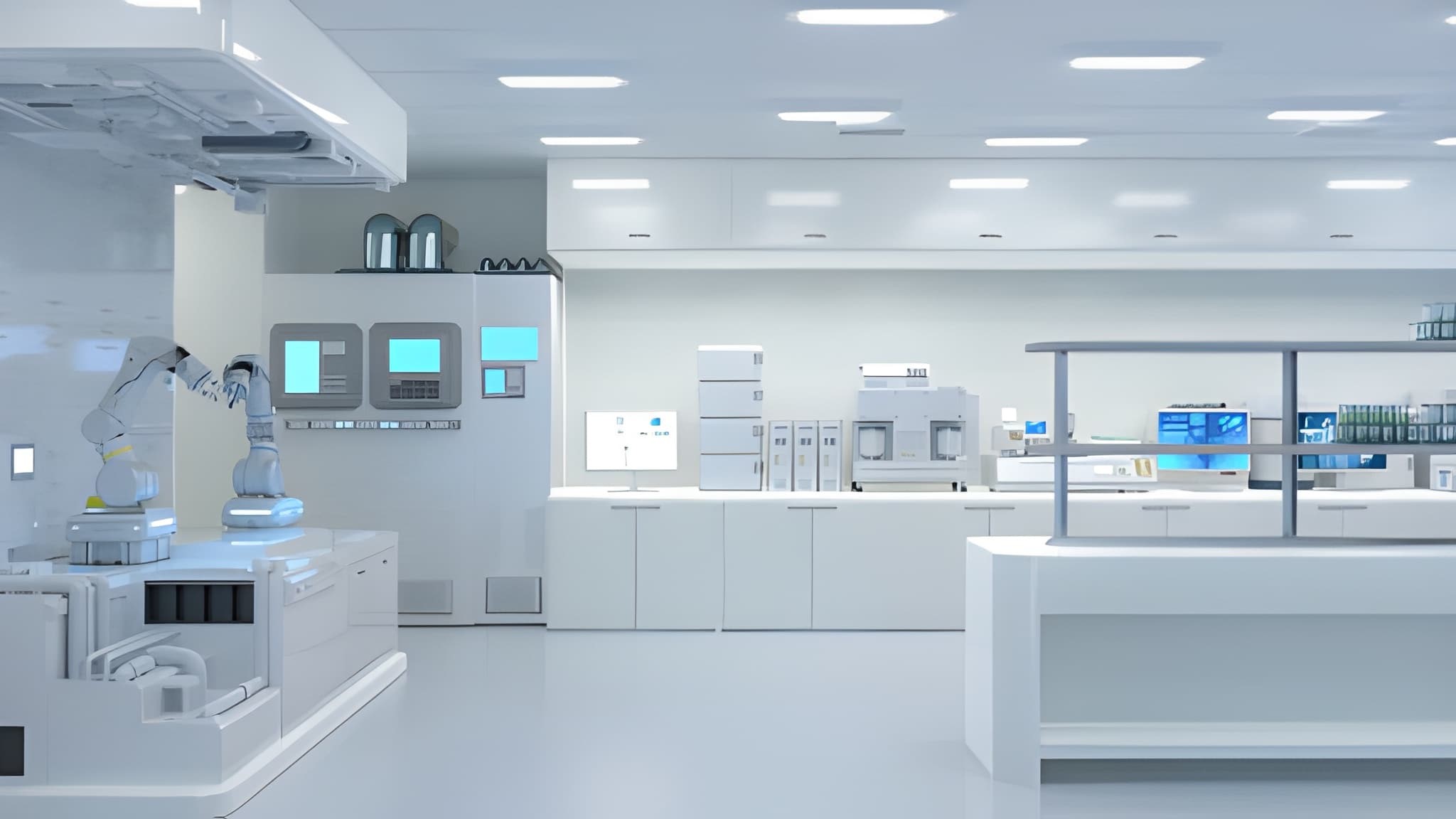
Modular diagnostic units are redefining how healthcare providers plan, deploy, and scale diagnostic infrastructure. As patient volumes increase and diagnostic demand becomes more complex, healthcare organisations need solutions that are fast, compliant, and adaptable. Modular diagnostic units answer this challenge by providing purpose-built environments that can be delivered and operational in significantly shorter timeframes than conventional construction.
These units are designed to support a wide range of diagnostic and testing functions while maintaining strict clinical standards. By manufacturing key components off-site, healthcare providers gain greater certainty around quality, timelines, and operational readiness. Modular diagnostic units also allow healthcare systems to expand capacity without long-term disruption to existing services.
This article explores the strategic value of modular diagnostic units, their applications, design considerations, and long-term role in modern healthcare delivery.
Understanding Modular Diagnostic Units
Modular diagnostic units are prefabricated healthcare facilities created specifically to house diagnostic, screening, and laboratory services. They are manufactured in controlled environments and assembled on site, ensuring consistent quality and regulatory compliance. This approach allows healthcare providers to deploy fully functional diagnostic spaces without the delays often associated with traditional builds.
These units are not temporary by design. They can serve as permanent, semi-permanent, or transitional healthcare facilities depending on organisational needs. Modular diagnostic units are engineered to integrate seamlessly with existing healthcare buildings or operate independently as standalone diagnostic centres.
Because they are designed with adaptability in mind, modular diagnostic units can evolve alongside clinical requirements, making them a future-ready infrastructure solution.
Key characteristics of modular diagnostic units include:
- Purpose-built layouts aligned with clinical workflows
- Compliance with healthcare safety and hygiene standards
- Flexibility for relocation, expansion, or reconfiguration
- Predictable construction and deployment timelines
Why Speed Matters in Diagnostic Infrastructure
Speed is a critical factor in healthcare diagnostics. Delays in expanding diagnostic capacity can impact patient outcomes, increase waiting times, and place strain on healthcare staff. Modular diagnostic units allow healthcare providers to respond quickly to changing demand without compromising safety or performance.
By overlapping manufacturing and site preparation, modular construction dramatically reduces overall project timelines. This means diagnostic services can become operational sooner, supporting continuity of care and service resilience. In fast-changing healthcare environments, this responsiveness is invaluable.
Rapid deployment also helps healthcare organisations remain agile, particularly when responding to population growth, service reconfiguration, or emergency healthcare needs.
Benefits of rapid deployment include:
- Faster access to diagnostic services for patients
- Reduced pressure on existing facilities
- Improved operational continuity during expansion
- Greater confidence in project scheduling
Applications Across Healthcare Settings
Hospital-Based Diagnostics
Hospitals often face ongoing challenges related to space limitations, aging infrastructure, and growing diagnostic demand. Modular diagnostic units provide a practical way to expand capacity without undertaking disruptive internal renovations. These units can be located adjacent to existing hospital buildings or integrated into campus layouts, allowing hospitals to grow outward while maintaining daily operations.
In addition to addressing immediate capacity needs, modular diagnostic units support phased development strategies. Hospitals can add diagnostic services incrementally, aligning infrastructure growth with patient demand and service planning. This approach reduces operational risk and allows for more controlled expansion.
Common hospital applications include:
- Diagnostic imaging facilities designed to support efficient patient throughput and staff workflows.
- Pathology and laboratory spaces that meet hygiene, ventilation, and compliance requirements.
- Dedicated screening and assessment areas that reduce congestion in core hospital buildings
- Outpatient departments.
Community and Remote Healthcare
Modular testing centres play an increasingly important role in improving access to diagnostic services outside major hospital settings. In community and remote healthcare environments, modular diagnostic units provide reliable infrastructure where permanent construction may not be practical or timely. These units help bridge gaps in healthcare access and support more equitable service delivery. The key role served by modular testing centres was well-proven during the COVID pandemic, across multiple countries.
By bringing diagnostics closer to patients, modular testing centres reduce travel times and improve early detection of health conditions. They also support preventative care initiatives and reduce pressure on centralised hospital services. Their adaptable design allows them to be tailored to the specific needs of different communities.
Community-focused benefits include:
- Improved accessibility to essential diagnostic services for underserved populations.
- Reduced reliance on large hospitals for routine testing and screening.
- Flexible deployment options that support changing regional healthcare needs.
Temporary and Transitional Use
Healthcare facilities frequently undergo refurbishment, redevelopment, or service reconfiguration. During these periods, maintaining diagnostic services is essential to avoid disruptions in patient care. Modular diagnostic units provide effective transitional solutions that ensure continuity while permanent facilities are upgraded.
Once transitional use is complete, these units can be relocated, repurposed, or integrated into other healthcare projects. This reusability adds long-term value and supports more efficient infrastructure planning across healthcare networks.
Key Benefits of Modular Diagnostic Units
Modular diagnostic units offer a combination of operational, clinical, and strategic benefits that extend beyond initial deployment. Their value lies not only in speed but also in long-term adaptability and performance. By standardising quality and reducing construction uncertainty, modular solutions support consistent healthcare delivery.
Over time, these benefits translate into improved staff efficiency, better patient experiences, and stronger infrastructure resilience. Modular diagnostic units also allow healthcare providers to align infrastructure investment with evolving service models.
Key benefits include:
- Accelerated project delivery that enables healthcare providers to respond quickly to diagnostic demand.
- High-quality construction achieved through controlled manufacturing environments.
- Reduced on-site disruption, allowing existing healthcare services to continue uninterrupted.
- Scalable infrastructure that supports future growth and service evolution.
Design Considerations for Modular Diagnostic Units
Clinical Workflow Optimisation
Effective diagnostic environments depend on well-designed workflows that support patient safety and staff efficiency. Modular diagnostic units are planned with a strong focus on circulation, zoning, and functional adjacencies. This ensures that patient movement, staff access, and equipment use are optimised from the outset.
By addressing workflow design early in the planning process, modular diagnostic units help reduce delays, minimise errors, and improve overall service efficiency. These benefits contribute to a more reliable diagnostic experience for both patients and healthcare professionals.
Workflow-focused design elements include:
- Clear separation of patient, staff, and service circulation routes to reduce congestion and cross-contamination.
- Logical zoning that supports preparation, testing, analysis, and reporting functions.
- Efficient placement of diagnostic equipment to support smooth clinical operations.
Compliance and Safety
Compliance with healthcare regulations is a fundamental requirement for diagnostic facilities. Modular diagnostic units are designed to meet safety, accessibility, and infection control standards from the earliest design stages. Controlled manufacturing allows for precise implementation of compliance measures.
This proactive approach reduces the risk of delays during commissioning and ensures readiness for clinical use. Safety is embedded into every aspect of design, construction, and installation.
Safety and compliance considerations include:
- Infection prevention measures integrated into materials, finishes, and ventilation systems.
- Fire safety and accessibility features that support patient and staff wellbeing.
- Use of durable, hygienic materials suited to clinical environments.
Equipment Integration
Diagnostic equipment places specific demands on space, structure, and utilities. Modular diagnostic units are engineered to accommodate these requirements through careful coordination between design and equipment planning. This ensures seamless installation and reliable performance.
Early integration planning also supports future upgrades, allowing facilities to adapt to new diagnostic technologies without extensive structural changes.
Role in Healthcare Modular Expansions
Healthcare modular expansions allow organisations to grow capacity incrementally rather than committing to large, inflexible construction projects. Modular diagnostic units are a central component of this strategy, enabling targeted expansion where it delivers the greatest impact.
By expanding in phases, healthcare providers can align infrastructure growth with service demand, workforce availability, and long-term planning goals. Modular diagnostic units support this measured approach while maintaining operational continuity.
Advantages of modular expansion include:
- Greater control over the pace and scale of infrastructure development.
- Reduced risk associated with large, single-phase construction projects.
- Improved ability to adapt infrastructure to changing healthcare models.
Prefab Diagnostic Labs and Their Advantages
Prefab diagnostic labs are specialised modular environments designed for precision testing and analysis. Manufactured under controlled conditions, these labs support high standards of cleanliness, environmental control, and operational reliability.
Their design ensures consistency across facilities while enabling rapid commissioning. This makes prefab diagnostic labs suitable for a wide range of diagnostic applications where accuracy and efficiency are critical.
Advantages of prefab diagnostic labs include:
- Controlled environments that support sensitive diagnostic processes.
- Faster readiness for clinical use due to streamlined commissioning.
- Reliable layouts that support consistent testing workflows.
Supporting Rapid Healthcare Buildings
Rapid healthcare buildings are essential when diagnostic capacity must be delivered quickly. Modular diagnostic units form the backbone of these buildings, offering ready-to-use clinical environments that meet healthcare standards.
These solutions allow healthcare providers to respond effectively to urgent needs while maintaining long-term usability. Their adaptability ensures that rapid deployment does not come at the expense of quality or compliance.
Turnkey Medical Modular Solutions Explained
Turnkey medical modular solutions provide healthcare organisations with fully operational diagnostic facilities through a coordinated delivery approach. Modular diagnostic units can be designed, manufactured, installed, and commissioned as a single, integrated solution.
This approach simplifies project management, reduces coordination challenges, and ensures accountability throughout the process. Healthcare providers benefit from predictable outcomes and reduce administrative burden.
Sustainability and Long-Term Efficiency
Modular diagnostic units support sustainable healthcare development by improving material efficiency and reducing construction waste. Factory-based manufacturing enables better resource control and minimises environmental impact.
Their adaptability also supports long-term efficiency. Units can be upgraded, relocated, or reconfigured as needs change, ensuring infrastructure remains relevant and useful over time.
Conclusion
Modular diagnostic units provide healthcare organisations with a fast, flexible, and future-ready approach to expanding diagnostic capacity. By combining rapid deployment with consistent quality and adaptability, these solutions support resilient healthcare systems that can evolve with patient and service demands. From hospitals and community settings to large-scale healthcare modular expansions, modular diagnostics play a critical role in modern healthcare delivery.
If you are planning to enhance diagnostic services with confidence and speed, Instaspace delivers expertly designed modular diagnostic units tailored to healthcare environments. Connect with Instaspace today to explore how modular solutions can strengthen your diagnostic infrastructure and support long-term healthcare goals.
FAQs
1. What are modular diagnostic units used for?
Modular diagnostic units are used to deliver diagnostic, screening, and laboratory services in healthcare settings. They support hospitals, community facilities, and transitional environments. These units meet clinical standards while enabling rapid deployment. Their flexibility allows for long-term or temporary use.
2. How do modular testing centres improve healthcare access?
Modular testing centres bring diagnostic services closer to patients, especially in community and regional areas. They reduce travel time and improve access to essential testing. These centres also help reduce pressure on hospitals. This supports earlier diagnosis and better care delivery.
3. Are prefab diagnostic labs suitable for advanced diagnostics?
Prefab diagnostic labs are designed for advanced and sensitive diagnostic processes. They provide controlled environments with appropriate ventilation and layout planning. These labs meet healthcare compliance standards. As a result, they are suitable for complex diagnostic applications.
4. Can modular diagnostic units support future expansion?
Yes, modular diagnostic units are designed to support scalability and future growth. Additional modules can be added as demand increases. This allows healthcare providers to expand capacity gradually. Expansion can occur with minimal disruption to existing services.
5. How do modular diagnostic units support rapid healthcare buildings?
Modular diagnostic units enable rapid healthcare buildings by providing ready-to-use diagnostic spaces. Their fast deployment supports urgent infrastructure needs. These units maintain safety and clinical standards. They allow healthcare providers to respond quickly to changing demands.