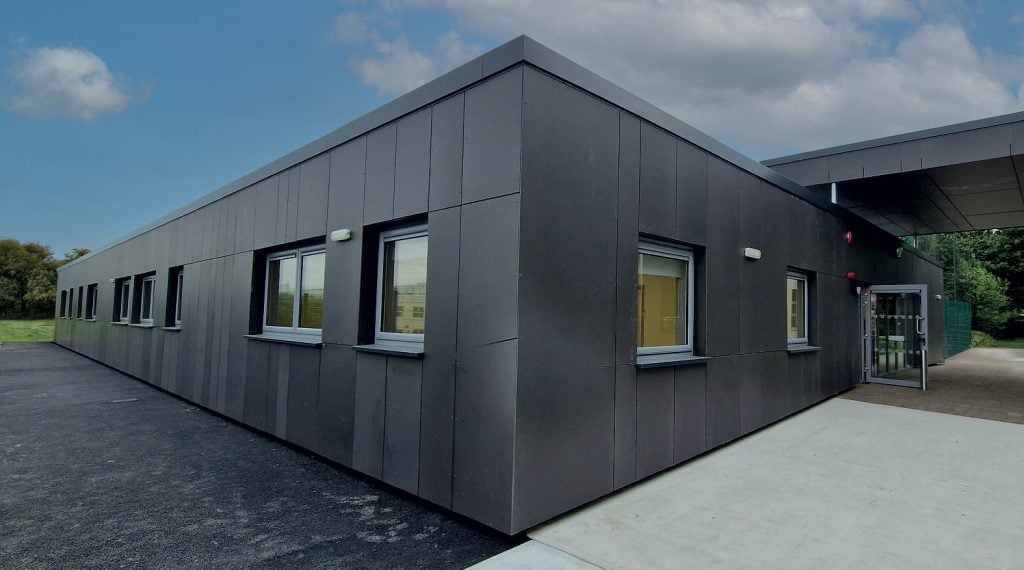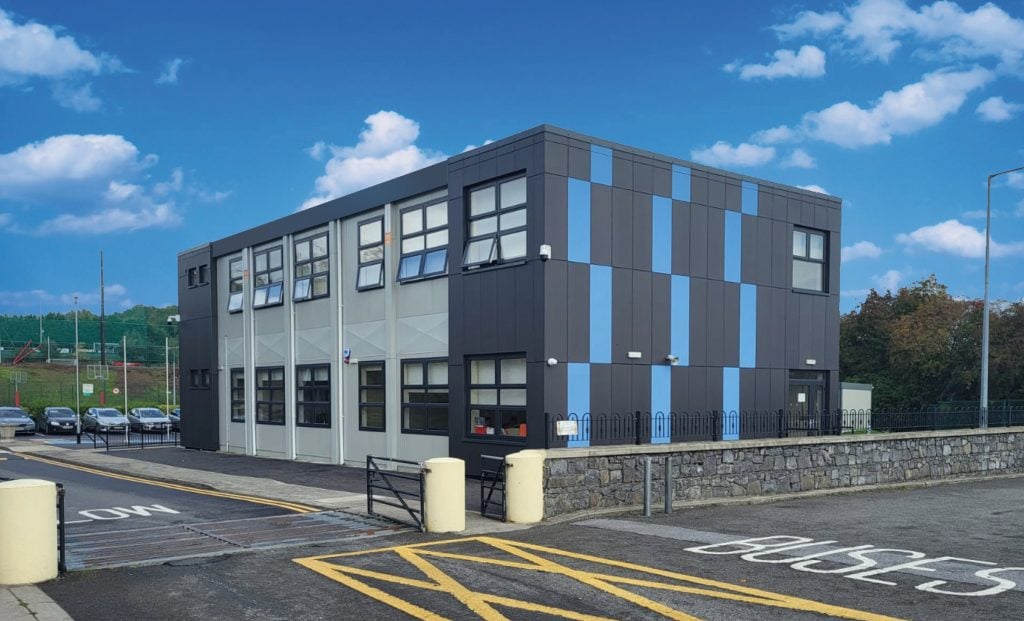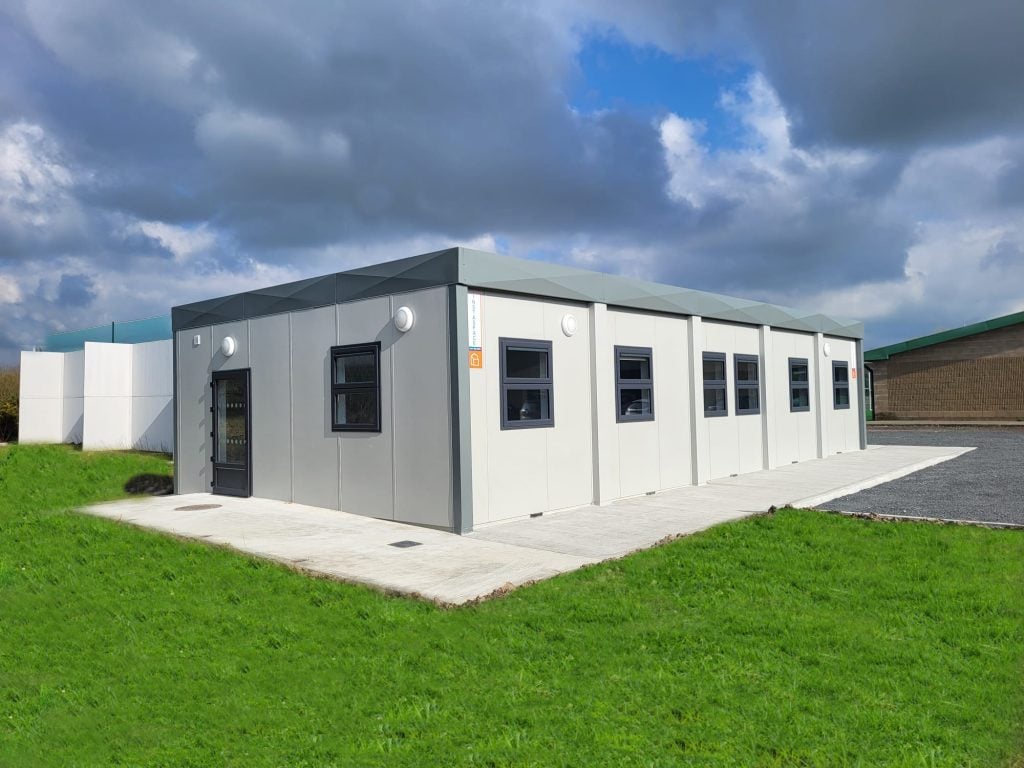

Modular school buildings in Ireland are increasingly used to meet the growing need for flexible and efficient educational spaces. Schools often require additional classrooms or facilities within tight timelines, and modular construction provides a practical solution. These buildings are manufactured off-site and installed quickly, reducing disruption to daily school activities.
While modular construction offers speed and adaptability, compliance remains essential. These buildings must meet the same regulations as traditional structures to ensure safety, accessibility, and long-term performance. Understanding these requirements helps schools avoid delays and ensures that the final structure is fit for purpose.
This guide explains the key compliance requirements for modular school buildings in Ireland. It also explores how these standards apply to modular preschool buildings in Ireland, modular creches in Ireland, modular building hire, and modular office buildings for sale within educational environments.
Understanding Compliance for Modular School Buildings in Ireland
Compliance ensures that modular school buildings in Ireland meet all legal and safety standards required for educational use. Although these buildings are constructed off-site, they must comply with Irish regulations once installed. This ensures consistency in quality and performance across all building types.
Meeting compliance requirements protects students, staff, and visitors. It also ensures that the building functions effectively as a learning environment. Without proper compliance, projects may face delays or require costly adjustments.
Early understanding of compliance requirements allows for better planning. It ensures that every stage of the project aligns with regulatory expectations and reduces the risk of complications.
Planning Permission and Site Requirements
Planning permission is often required before installing modular school buildings in Ireland. Local authorities assess whether the proposed structure is suitable for its location and aligns with planning policies. This process helps ensure that developments are appropriate and sustainable.
Temporary solutions such as modular building hire may sometimes benefit from simplified approval processes. However, this depends on factors such as duration and intended use. Early consultation with authorities helps clarify requirements and avoid delays.
Site preparation is also crucial. The location must support safe installation and long-term use, with proper infrastructure in place.
- Assess ground stability and site conditions
- Ensure safe access for students and staff
- Confirm availability of utilities such as water and electricity
- Plan drainage and environmental management
- Allow space for potential future expansion
Building Regulations Compliance
All modular school buildings in Ireland must comply with Irish building regulations. These regulations ensure that buildings are safe, durable, and energy-efficient. Compliance is assessed once the structure is installed on-site.
Each component of the building must meet strict standards. This includes structural integrity, ventilation, insulation, and fire safety systems. Meeting these requirements ensures that the building can support daily educational activities.
Adhering to building regulations improves overall performance. It also ensures that the structure remains safe and functional over time.
- Strong structural design to withstand weather conditions
- Fire-resistant materials and safe escape routes
- Adequate ventilation for air quality
- Energy-efficient insulation and systems
- Safe electrical and heating installations
Accessibility and Inclusivity Standards
Accessibility is essential in modular school buildings in Ireland. Educational facilities must be designed to accommodate all users, ensuring equal access for students and staff. Inclusive design supports a positive learning environment.
These standards go beyond basic requirements. They focus on creating spaces that are easy to use and navigate. Proper planning ensures that the building meets diverse needs.
Meeting accessibility standards also reflects a commitment to equality. It helps create a supportive and inclusive educational setting.
- Step-free access and ramps
- Wide doorways and corridors
- Accessible toilet facilities
- Clear signage and navigation
- Flexible layouts for different needs
Health and Safety Regulations
Health and safety regulations are critical for modular school buildings in Ireland. These rules ensure that risks are managed throughout construction, installation, and daily use. A safe environment is essential for effective learning.
During installation, strict procedures must be followed to protect workers and occupants. Once operational, regular inspections are required to maintain safety standards. This ongoing approach ensures compliance.
Maintaining safety standards builds confidence among staff and students. It also supports a secure and productive learning environment.
- Conduct regular safety inspections
- Follow safe installation practices
- Maintain electrical systems properly
- Ensure efficient heating and ventilation
- Establish clear safety procedures
Fire Certification and Compliance
Fire safety is one of the most important aspects of compliance. Modular school buildings in Ireland must be designed to minimise fire risks and ensure safe evacuation. This includes both preventative and protective measures.
Authorities require detailed documentation to confirm compliance. Fire risk assessments, alarm systems, and certified materials are essential components. Regular testing ensures that systems remain effective.
Training and awareness are also important. Staff and students must understand emergency procedures to respond effectively.
- Fire risk assessments and certification
- Installation of fire alarms and detection systems
- Clearly marked emergency exits
- Use of fire-resistant materials
- Regular drills and testing
Environmental and Sustainability Considerations
Sustainability is a key factor in modern modular construction. Modular school buildings in Ireland are often designed to reduce environmental impact while maintaining high performance. This aligns with broader sustainability goals.
Off-site construction reduces waste and improves efficiency. Energy-efficient systems further enhance sustainability by lowering energy consumption. These features contribute to environmentally responsible building practices.
Sustainable design also improves long-term usability. It creates healthier indoor environments and supports future-focused education spaces.
- Use of sustainable materials
- Energy-efficient insulation and systems
- Reduced construction waste
- Minimal disruption to surroundings
- Support for environmental goals
Compliance for Preschool Buildings and Creches
Modular preschool buildings in Ireland and modular creches in Ireland must meet additional requirements. These buildings are designed for young children, so safety and hygiene are particularly important. Every element must be carefully planned.
The design should include child-friendly features and secure layouts. Hygiene standards must also be maintained through appropriate facilities. These measures ensure a safe and healthy environment.
Flexible layouts support a range of activities, including play, learning, and rest. This creates a balanced and engaging space for early education.
- Child-safe fixtures and fittings
- Secure outdoor play areas
- Proper hygiene and sanitation facilities
- Flexible activity spaces
- Safe storage for equipment
Temporary vs Permanent Modular Structures
Modular school buildings in Ireland can be temporary or permanent. Each type has different compliance requirements based on its intended use. Understanding these differences helps in planning the project effectively.
Temporary structures, including modular building hire, may have faster approval processes. However, they must still meet safety standards. Permanent buildings require full compliance with all regulations.
Choosing the right option depends on the school’s needs. Proper planning ensures compliance in both cases.
- Temporary buildings may have quicker approvals
- Permanent structures require full compliance
- Both types must meet safety standards
- Duration affects regulatory requirements
- Site conditions influence decisions
Role of Certification and Documentation
Certification and documentation are essential for demonstrating compliance. Authorities require detailed records covering all stages of the project. This ensures transparency and accountability.
Proper documentation helps streamline approvals. It also provides evidence that all regulations have been followed. Keeping records organised reduces delays.
Documentation is also useful for maintenance and future upgrades. It ensures continued compliance over time.
- Structural and safety certifications
- Material compliance records
- Inspection and maintenance reports
- Fire safety documentation
- Planning and approval records
Integration with Office Spaces and Facilities
Schools often require additional facilities such as administrative offices. Modular office buildings for sale can provide flexible solutions that integrate with existing school infrastructure. These buildings must meet the same compliance standards.
Integration should consider layout, accessibility, and connectivity. Proper planning ensures that all spaces work together efficiently. This creates a cohesive environment.
Modular solutions allow schools to expand as needed. Compliance ensures that all additions meet regulatory requirements.
- Maintain consistent compliance across buildings
- Plan layouts for efficiency
- Ensure accessibility throughout
- Integrate utilities effectively
- Support future expansion
Maintenance and Ongoing Compliance
Maintenance is essential for ensuring that modular school buildings in Ireland remain compliant over time. Regular checks help keep the building safe and functional. This also extends its lifespan.
Routine inspections allow issues to be identified early. Addressing these promptly prevents larger problems. This ensures continuous compliance.
Staying updated with regulations is also important. It ensures that the building remains aligned with current standards.
- Schedule regular inspections
- Monitor building performance
- Carry out repairs promptly
- Stay updated with regulations
- Plan for long-term safety
Conclusion
Ensuring compliance in modular school buildings in Ireland is essential for creating safe, efficient, and reliable educational spaces. Every aspect, from planning permission to fire safety and accessibility, contributes to a building that supports learning and wellbeing. A structured approach to compliance helps avoid delays and ensures long-term performance.
If you are planning a modular project, working with a trusted provider makes a significant difference. Instaspace delivers high-quality modular solutions that meet all regulatory standards while offering flexibility and efficiency. Contact Instaspace today to discuss your requirements and develop compliant modular spaces tailored to your educational needs.
FAQs
1. Do modular school buildings in Ireland require planning permission?
Yes, most modular school buildings require planning permission from local authorities. The process depends on size, location, and intended use. Temporary structures may follow a simpler route, but approval is still needed. Early consultation helps ensure a smooth process.
2. Are modular buildings required to meet Irish building regulations?
Yes, modular buildings must meet the same regulations as traditional structures. This includes standards for safety, energy efficiency, and fire protection. Compliance is checked after installation. Meeting these standards ensures safe and effective use.
3. What fire safety measures are required in modular school buildings?
Fire safety measures include alarms, fire-resistant materials, and escape routes. Buildings must also undergo risk assessments and regular inspections. Emergency procedures should be clearly communicated. Regular drills help ensure preparedness.
4. Are there additional requirements for preschool buildings and creches?
Yes, modular preschool buildings in Ireland and modular creches in Ireland must meet stricter safety standards. This includes child-safe design, secure layouts, and hygiene facilities. The space must support various activities safely. These measures protect young children.
5. How is accessibility ensured in modular school buildings?
Accessibility is achieved through ramps, wide doorways, and accessible facilities. Buildings must accommodate different mobility needs. Inclusive layouts ensure equal access for all users. Compliance with accessibility standards is mandatory.
6. Why is maintenance important for ongoing compliance?
Maintenance ensures that buildings remain safe and functional. Regular inspections help identify issues early. Keeping systems in good condition supports compliance. It also extends the building’s lifespan.