
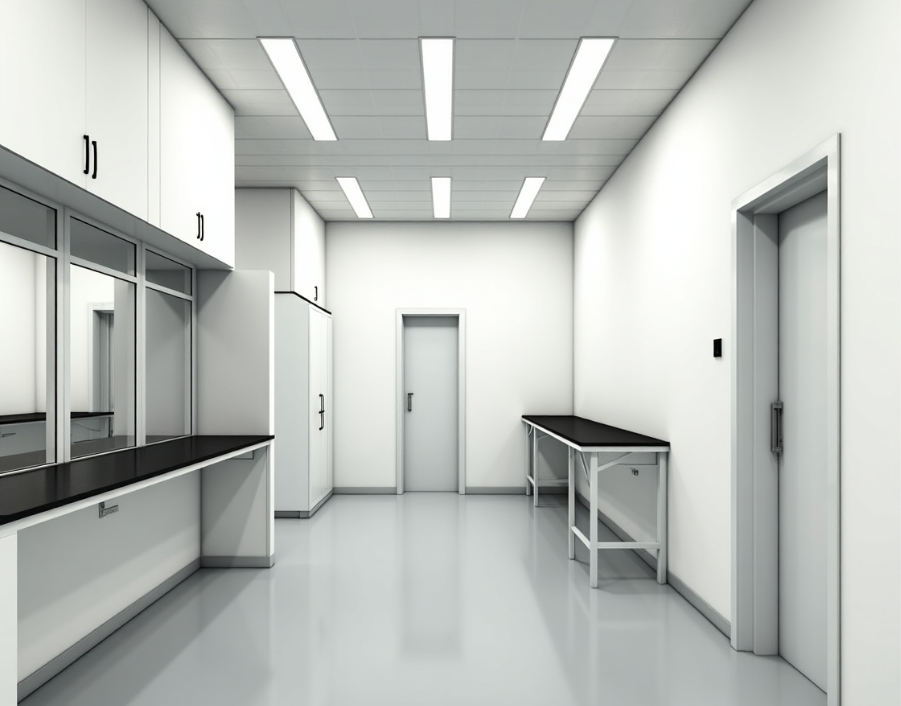
Modular healthcare facilities are becoming a key solution for modern healthcare infrastructure in Ireland. As demand for efficient and adaptable medical spaces continues to rise, modular construction provides a reliable approach that combines speed, quality, and flexibility. These facilities are designed to meet evolving healthcare needs while maintaining strict standards for safety and functionality.
Designing modular healthcare facilities requires thoughtful planning across multiple areas, including compliance, layout, patient experience, and long-term scalability. Each element must work together to create a space that supports both healthcare professionals and patients effectively.
Understanding the Purpose of Modular Healthcare Facilities
Before starting the design process, it is essential to clearly define the purpose of the facility. Modular healthcare facilities can serve a wide range of roles, including outpatient clinics, diagnostic units, emergency response spaces, and administrative offices.
A clear purpose helps guide every design decision, from layout to equipment placement. It ensures that the facility supports its intended function without unnecessary complexity. In addition, defining the purpose early allows for better planning of resources and timelines.
Types of modular healthcare applications
When planning modular healthcare units in Ireland, different applications require different design approaches. Understanding these variations helps create more efficient and practical spaces.
- Outpatient clinics for consultations and minor procedures
- Diagnostic units for imaging and testing
- Temporary treatment centres for high patient demand
- Administrative spaces for staff operations
- Specialised units for specific medical services
Each type of facility has unique requirements. Therefore, aligning the design with the intended use ensures better performance and usability.
Compliance with Irish Healthcare Regulations
Compliance is a critical aspect of designing modular healthcare facilities. In Ireland, healthcare buildings must meet strict regulations related to safety, accessibility, and hygiene. These standards ensure that facilities provide a safe environment for both patients and staff.
Early planning for compliance helps avoid delays and ensures smoother approvals. It also reduces the risk of costly modifications later in the project. Designers must consider building codes, fire safety measures, and healthcare-specific guidelines throughout the process.
Key compliance requirements
Meeting regulatory standards involves addressing multiple aspects of the facility. Each requirement plays a role in maintaining safety and operational efficiency.
- Fire safety systems and emergency exits
- Accessibility for patients with mobility challenges
- Proper ventilation and air quality control
- Sanitation and hygiene standards
- Structural integrity and durability
Modular healthcare offices in Ireland must also comply with workplace regulations. This ensures that staff have a safe and comfortable environment to perform their duties effectively.
Efficient Space Planning and Layout Design
Effective space planning is essential for creating functional modular healthcare facilities. A well-designed layout improves workflow, reduces delays, and enhances patient experience. It ensures that both staff and patients can move through the facility easily and efficiently.
Careful planning also helps maximise the use of available space. This is especially important in healthcare environments where every area must serve a clear purpose.
Key elements of an efficient layout
Designing an efficient layout requires attention to both patient and staff needs. A balanced approach ensures smooth operations and better outcomes.
- Clear separation of patient and staff pathways
- Logical placement of treatment and consultation rooms
- Easy access to essential equipment and supplies
- Comfortable and organised waiting areas
- Proper zoning for different medical functions
In addition, modular healthcare units in Ireland can be designed for future expansion. This allows facilities to adapt to changing needs without major structural changes.
Infection Control and Hygiene Standards
Infection control is a top priority in any healthcare setting. Modular healthcare facilities must be designed to minimise the risk of contamination and ensure a safe environment. This requires careful selection of materials, layouts, and systems.
Maintaining high hygiene standards not only protects patients but also supports healthcare professionals in delivering quality care. It also helps meet regulatory requirements and industry best practices.
Essential infection control features
Incorporating infection control measures into the design is essential for long-term success. These features help reduce the spread of infections and improve overall safety.
- Antimicrobial surfaces and finishes
- Easy-to-clean walls and flooring
- Advanced ventilation and filtration systems
- Clearly defined clean and contaminated zones
- Hands-free fixtures to reduce contact
By integrating these features, modular healthcare facilities can maintain a high level of cleanliness and safety.
Flexibility and Future Expansion
Flexibility is one of the biggest advantages of modular healthcare facilities. Healthcare needs can change over time, so facilities must be able to adapt quickly. Designing with flexibility in mind ensures long-term usability and efficiency.
Custom modular buildings allow for easy expansion and reconfiguration. This makes it possible to adjust the facility as demand grows or services change.
Benefits of flexible design
A flexible approach provides several advantages for healthcare providers. It ensures that facilities remain functional and relevant over time.
- Easy addition of new modules when needed
- Ability to reconfigure spaces for different uses
- Reduced need for major renovations
- Support for evolving healthcare services
- Improved long-term value
Planning for future expansion helps avoid disruptions and ensures continuity of care.
Integration of Technology and Equipment
Technology plays a vital role in modern healthcare. Modular healthcare facilities must be designed to support advanced systems and equipment. This includes both medical devices and digital infrastructure.
Proper integration of technology improves efficiency and enhances patient care. It also ensures that the facility can keep up with advancements in healthcare delivery.
Key technology considerations
Designing for technology requires careful planning and coordination. Each element must be integrated seamlessly into the facility.
- Reliable power supply and backup systems
- High-speed data connectivity and networking
- Space for medical equipment installation
- Compatibility with digital health systems
- Secure storage for sensitive data
Modular healthcare offices in Ireland should also include areas for administrative technology. This supports efficient management and communication.
Patient Comfort and Experience
Patient experience is an important factor in healthcare design. Modular healthcare facilities should create a comfortable and welcoming environment. This helps reduce stress and improves overall satisfaction.
A well-designed space can have a positive impact on patient outcomes. It also supports better interaction between patients and healthcare providers.
Elements that enhance patient experience
Designing for comfort involves considering both physical and emotional needs. Each element contributes to a better healthcare environment.
- Natural lighting and ventilation
- Comfortable seating and waiting areas
- Clear signage and easy navigation
- Noise reduction for a calm environment
- Private spaces for consultations and treatment
By focusing on patient experience, modular healthcare facilities can provide a more supportive and effective environment.
Sustainability and Energy Efficiency
Sustainability is becoming increasingly important in healthcare construction. Modular healthcare facilities offer several benefits in terms of energy efficiency and environmental impact.
Designing with sustainability in mind helps reduce resource consumption and supports long-term operational efficiency. It also aligns with environmental regulations and goals.
Sustainable design strategies
Incorporating sustainable features into the design can improve both performance and environmental impact. These strategies contribute to a more responsible approach to construction.
- Energy-efficient lighting and HVAC systems
- Use of eco-friendly and recyclable materials
- Reduced construction waste through off-site manufacturing
- Improved insulation for temperature control
- Water-saving fixtures and systems
Custom modular buildings can be designed to meet sustainability targets while maintaining high standards of quality.
Speed of Construction and Minimal Disruption
One of the key advantages of modular healthcare facilities is the speed of construction. Modules are built off-site and assembled on location, which significantly reduces project timelines.
This approach also minimises disruption to existing healthcare services. It allows new facilities to be added without affecting ongoing operations.
Advantages of faster construction
Faster construction provides several benefits for healthcare providers. It ensures that facilities can be delivered quickly and efficiently.
- Reduced project timelines
- Minimal on-site disruption
- Faster response to increasing demand
- Improved project planning and coordination
- Consistent quality through controlled manufacturing
Modular healthcare units in Ireland are particularly useful in situations where quick deployment is required.
Cost Efficiency and Long-Term Value
Cost efficiency is an important consideration in healthcare projects. Modular healthcare facilities offer long-term value through efficient design and construction processes.
While initial planning is important, focusing on long-term benefits ensures better decision-making. This includes reduced maintenance, scalability, and improved operational efficiency.
Factors contributing to long-term value
Several factors make modular construction a practical choice for healthcare facilities. These benefits support sustainable growth and performance.
- Reduced construction time and resource use
- Lower maintenance requirements
- Easy expansion as needs grow
- Improved operational efficiency
- Better use of available space
Modular healthcare offices in Ireland also benefit from optimised layouts that enhance productivity.
Collaboration with Experienced Professionals
Successful design of modular healthcare facilities requires collaboration between multiple experts. Architects, engineers, and healthcare professionals must work together to create effective solutions.
This collaborative approach ensures that all aspects of the facility are carefully planned. It also helps identify potential challenges early in the process.
Importance of collaboration
Working with experienced professionals provides several advantages. It ensures that the project meets high standards of quality and performance.
- Better understanding of healthcare workflows
- Accurate planning and design execution
- Improved problem-solving and innovation
- Compliance with regulations and standards
- Efficient project management
Collaboration leads to better outcomes and ensures that modular healthcare facilities meet the needs of all stakeholders.
Conclusion
Designing modular healthcare facilities in Ireland requires a balanced approach that brings together compliance, efficient space planning, patient comfort, and long-term flexibility. Each decision plays a role in creating a safe and functional environment that supports modern healthcare delivery. By focusing on adaptability, sustainability, and seamless integration of technology, these facilities can continue to meet evolving demands while maintaining high standards of quality and performance.
If you are planning to develop modular healthcare facilities, choosing the right partner can make a significant difference. Instaspace provides tailored modular solutions designed to align with healthcare requirements and operational goals. Contact Instaspace today to discuss your project and move forward with a reliable and future-ready healthcare facility.
FAQs
1. What are modular healthcare facilities used for?
Modular healthcare facilities are used for a range of medical purposes, including clinics, diagnostic centres, and administrative spaces. They are designed to be flexible and adaptable to different healthcare needs. These facilities can be temporary or permanent depending on requirements.
2. Are modular healthcare units durable and reliable?
Yes, modular healthcare units in Ireland are built using high-quality materials and must meet strict construction standards. They are designed for long-term use and can handle daily healthcare operations effectively. With proper maintenance, they remain reliable over time.
3. How do modular healthcare facilities support infection control?
They include features such as antimicrobial surfaces, proper ventilation systems, and clearly defined zones. These elements help reduce the risk of contamination. In addition, controlled manufacturing environments improve overall hygiene standards.
4. Can modular healthcare facilities be customised?
Yes, Custom modular buildings can be tailored to meet specific healthcare requirements. Layouts, materials, and features can be adjusted based on the intended use. This flexibility allows facilities to support a wide range of medical services.
5. How quickly can modular healthcare facilities be constructed?
Modular healthcare facilities can be completed faster than traditional buildings due to off-site construction. Modules are assembled on-site in a shorter time frame. This allows healthcare providers to respond quickly to demand and operational needs.