

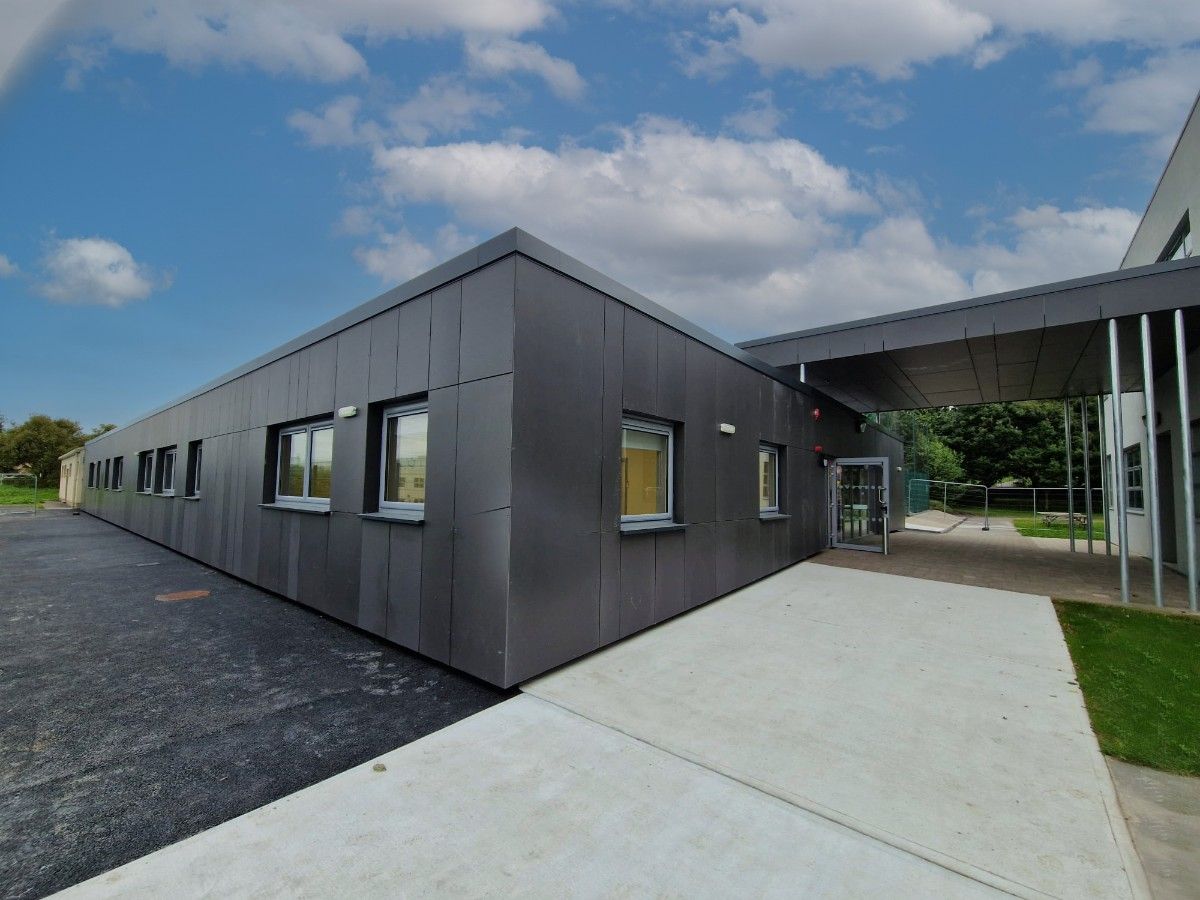
3D volumetric construction is rapidly transforming how infrastructure projects are delivered across Ireland. As demand for efficient, scalable, and high-quality buildings increases, this method has emerged as a reliable solution for modern development. By combining advanced manufacturing processes with innovative design, it offers a practical alternative to traditional construction approaches.
In recent years, offsite construction and modular construction have gained significant traction across multiple sectors. From education to commercial development, organisations are adopting these methods to meet growing infrastructure needs. This shift is particularly evident in projects such as modular university buildings in Ireland and modular office blocks in Ireland, where speed and flexibility are essential.
This blog explores the role of 3D volumetric construction in shaping modern Irish infrastructure. It highlights its benefits, applications, and long-term impact on the construction industry.
Understanding 3D Volumetric Construction
3D volumetric construction refers to a method where complete building modules are manufactured off-site and then transported to the final location for assembly. These modules are often fully fitted with internal finishes, fixtures, and services before delivery. As a result, on-site work is significantly reduced.
This approach is a key component of offsite construction and modular construction. It allows for greater control over quality, improved efficiency, and reduced project timelines. In addition, it minimises the impact of weather and site conditions, which can often delay traditional builds.
The method is widely used in sectors that require rapid deployment and consistent standards. It is particularly suitable for projects where precision and speed are critical.
Key Advantages of 3D Volumetric Construction
3D volumetric construction offers several benefits that make it an attractive option for modern infrastructure projects. These advantages contribute to its growing popularity across Ireland.
The method enhances efficiency by allowing simultaneous site preparation and module production. This reduces overall project duration and ensures faster completion. It also improves quality, as modules are built in controlled environments.
In addition, modular construction techniques support better resource management. This leads to reduced waste and improved sustainability outcomes.
- Faster project delivery compared to traditional methods
- Consistent quality through controlled manufacturing
- Reduced on-site disruption and noise
- Improved safety during construction
- Efficient use of materials and resources
Role of Offsite Construction in Ireland
Offsite construction plays a vital role in supporting 3D volumetric construction. It involves manufacturing building components in a factory setting before transporting them to the construction site. This approach enhances precision and reduces the likelihood of errors.
In Ireland, offsite construction is becoming increasingly important due to rising demand for infrastructure. It enables developers to meet tight deadlines while maintaining high standards. This is particularly beneficial in urban areas where space and time constraints are common.
Moreover, offsite construction supports innovation in design and engineering. It allows for the integration of advanced technologies, resulting in more efficient and sustainable buildings.
- Improved project planning and coordination
- Reduced environmental impact
- Enhanced quality control
- Faster construction timelines
- Greater design flexibility
Modular Construction as a Modern Solution
Modular construction is closely linked to 3D volumetric construction. It involves assembling prefabricated modules to create a complete structure. This method is widely used in various sectors, including education, healthcare, and commercial development.
In Ireland, modular construction is gaining popularity due to its adaptability. It allows buildings to be expanded or reconfigured as needs change. This flexibility is particularly valuable for organisations that require scalable solutions.
Furthermore, modular construction supports efficient project management. It reduces delays and ensures consistent results, making it a reliable choice for modern infrastructure projects.
- Flexible and scalable building solutions
- Reduced construction time
- High levels of precision and quality
- Adaptability for future needs
- Efficient project execution
Applications in Modular University Buildings in Ireland
3D volumetric construction is widely used in modular university buildings in Ireland. Educational institutions often require additional space to accommodate growing student populations. This method provides a fast and efficient way to deliver new facilities.
These buildings can include classrooms, lecture halls, laboratories, and administrative spaces. The modular approach ensures that these facilities meet high standards of functionality and comfort.
In addition, modular university buildings in Ireland can be easily expanded as demand increases. This makes them a practical solution for long-term educational planning.
- Rapid delivery of educational facilities
- Flexible design for different learning environments
- Easy expansion to meet future demand
- High-quality construction standards
- Minimal disruption to campus activities
Supporting Commercial Growth with Modular Office Blocks in Ireland
Commercial development is another area where 3D volumetric construction plays a significant role. Modular office blocks in Ireland provide businesses with flexible and efficient workspace solutions. These buildings can be quickly deployed to support business growth.
Companies benefit from reduced construction timelines and minimal disruption. This allows them to focus on operations while new facilities are developed. In addition, modular office blocks can be customised to suit specific business needs.
The ability to relocate or reconfigure these structures adds further value. It ensures that businesses can adapt to changing requirements without significant investment.
- Quick setup of office spaces
- Customisable layouts and designs
- Minimal disruption to business operations
- Scalable solutions for growth
- Long-term flexibility
Sustainability and Environmental Impact
Sustainability is a key consideration in modern construction. 3D volumetric construction supports environmentally responsible practices by reducing waste and improving efficiency. The controlled manufacturing process ensures optimal use of materials.
Offsite construction also reduces the environmental impact of on-site activities. This includes lower emissions, reduced noise, and less disruption to surrounding areas. These benefits contribute to a more sustainable construction process.
In addition, modular construction allows for the integration of energy-efficient systems. This helps reduce the long-term environmental footprint of buildings.
- Reduced material waste
- Lower carbon emissions
- Efficient resource utilisation
- Energy-efficient building designs
- Improved environmental performance
Enhancing Quality and Safety Standards
Quality and safety are critical in any construction project. 3D volumetric construction offers significant advantages in both areas. The controlled factory environment ensures consistent quality across all modules.
This approach also improves safety by reducing on-site risks. Workers operate in a structured environment with standardised processes. This minimises the likelihood of accidents and errors.
Furthermore, modular construction techniques allow for rigorous testing and inspection. This ensures that buildings meet all required standards before installation.
- Consistent quality across modules
- Reduced on-site safety risks
- Controlled manufacturing processes
- Thorough testing and inspection
- Compliance with industry standards
Future Trends in Irish Infrastructure Development
The future of Irish infrastructure is closely linked to innovative construction methods. 3D volumetric construction is expected to play a key role in this evolution. As demand for efficient and sustainable solutions grows, this method will become increasingly important.
Advancements in technology will further enhance the capabilities of modular construction. This includes improved design tools, automation, and smart building systems. These developments will support more efficient and adaptable infrastructure.
In addition, the growing focus on sustainability will drive the adoption of offsite construction. This will ensure that future projects align with environmental goals and standards.
- Increased adoption of modular solutions
- Integration of advanced technologies
- Greater focus on sustainability
- Enhanced design and engineering capabilities
- Long-term infrastructure resilience
Conclusion
3D volumetric construction is reshaping the landscape of modern Irish infrastructure. Its ability to deliver high-quality buildings and efficiently makes it a valuable solution for a wide range of projects. From education to commercial development, this method supports the growing demand for flexible and scalable infrastructure.
Through the integration of offsite construction and modular construction, organisations can achieve faster project delivery and improved performance. Applications such as modular university buildings in Ireland and modular office blocks in Ireland highlight its versatility and effectiveness.
If you are planning an infrastructure project, choosing the right construction method is essential. Instaspace specialises in delivering innovative modular solutions tailored to modern needs. Get in touch with Instaspace today to explore how 3D volumetric construction can support your next project and drive long-term success.
FAQs
1. What is 3D volumetric construction?
3D volumetric construction is a building method where complete modules are manufactured off-site and assembled on location. These modules are fully fitted before delivery. This approach reduces construction time and improves efficiency.
2. How does offsite construction support infrastructure development?
Offsite construction improves efficiency by manufacturing components in a controlled environment. It reduces delays caused by weather and site conditions. This method also enhances quality and ensures faster project completion.
3. What is the difference between modular construction and traditional construction?
Modular construction involves assembling prefabricated modules, while traditional construction is built entirely on-site. Modular methods are faster and more efficient. They also offer better quality control and flexibility.
4. Are modular university buildings in Ireland suitable for long-term use?
Yes, modular university buildings in Ireland are designed for durability and long-term use. They meet all necessary standards and provide high-quality learning environments. These buildings can also be expanded as needed.
5. How do modular office blocks in Ireland benefit businesses?
Modular office blocks in Ireland provide flexible and scalable workspace solutions. They can be quickly installed with minimal disruption. This helps businesses adapt to changing needs and support growth.
6. Is 3D volumetric construction environmentally friendly?
Yes, 3D volumetric construction is considered environmentally friendly. It reduces waste and improves resource efficiency. The process also lowers emissions and supports sustainable building practices.