
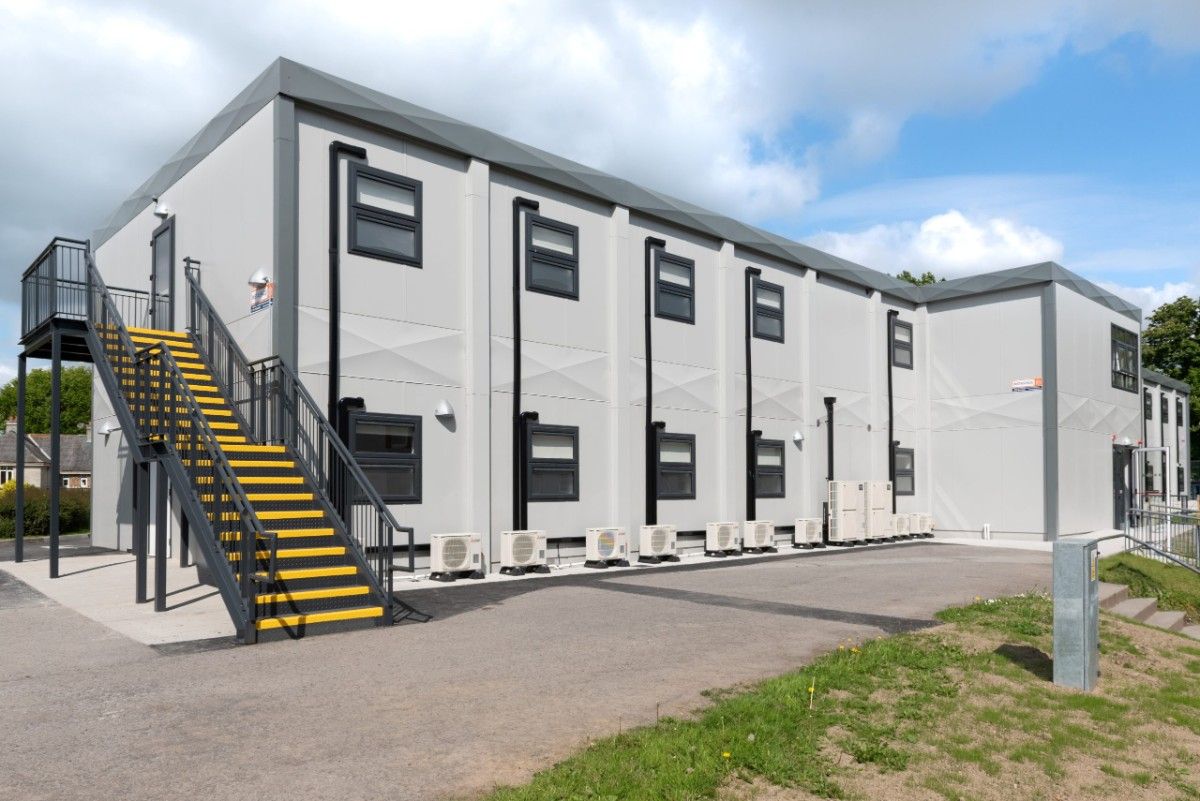
Modular buildings in Ireland are transforming the construction industry by offering faster, more efficient alternatives to traditional building methods. As infrastructure demands continue to grow, businesses and organisations are increasingly turning to modular construction to meet tight deadlines and evolving requirements. This approach allows for high-quality structures to be delivered with greater speed and precision.
In recent years, the adoption of offsite construction has increased significantly across Ireland. This growth is driven by the need for sustainable solutions, reduced project timelines, and adaptable building designs. From modular office space in Ireland to healthcare facilities and educational buildings, the applications are diverse and expanding.
Understanding how modular construction works and the advantages it offers is essential for anyone considering this method. This guide provides a detailed overview of modular buildings, their uses, benefits, and the regulations that govern them.
What Are Modular Buildings?
Modular buildings in Ireland are structures constructed using pre-manufactured sections, known as modules. These modules are built in a controlled factory environment before being transported to the final site for assembly. This approach has become increasingly popular as industries look for faster and more efficient building solutions.
Unlike traditional construction, where everything is built on-site, modular construction allows multiple processes to occur simultaneously. For example, site preparation can take place while modules are being manufactured. This significantly reduces overall project timelines and improves efficiency across projects in Ireland.
Key Features of Modular Buildings
- Manufactured in a factory-controlled environment
- Transported to site and assembled quickly
- Designed for both temporary and permanent use
- Built to meet strict building standards
- Suitable for a wide range of industries
Additionally, modern modular buildings are highly customisable. They can be designed to match specific requirements, making them suitable for both short-term and long-term applications.
Types of Modular Buildings in Ireland
Modular buildings in Ireland are available in various forms, each tailored to specific needs and applications. These structures are designed to provide flexibility while maintaining durability and performance. As construction demands evolve, different types of modular solutions are being adopted across industries.
Temporary Modular Buildings
Temporary modular buildings are widely used when a short-term solution is required. They are particularly useful during renovation projects, site expansions, or emergency situations where immediate space is needed. These buildings can be installed quickly and removed once they are no longer required, making them highly practical.
- Ideal for short-term use
- Quick installation and removal
- Minimal disruption to operations
- Suitable for education and construction sectors
Permanent Modular Buildings
Permanent modular buildings are designed for long-term use and meet the same regulatory standards as traditional buildings. They offer durability, energy efficiency, and modern design features. These buildings are often used for offices, schools, and residential developments.
- Built to comply with regulations
- Long-lasting and durable structures
- High-quality finishes and design
- Suitable for various industries
3D Volumetric Construction
3D volumetric construction involves manufacturing complete building sections offsite, including walls, floors, and internal finishes. These modules are then transported and assembled on-site to create a complete structure. This approach significantly reduces on-site work and ensures consistent quality.
- Fully completed modules built offsite
- Reduced construction time on-site
- High precision manufacturing
- Efficient for large-scale projects
Modular Office Space in Ireland
Modular office space in Ireland is becoming increasingly popular as businesses seek flexible work environments. These spaces can be easily expanded or reconfigured to meet changing needs. They provide a practical solution for companies that require quick and adaptable office setups.
- Flexible and scalable office solutions
- Fast installation and setup
- Modern and comfortable environments
- Adaptable to business growth
How Modular Construction Works
Modular construction follows a structured and efficient process that ensures quality and speed. Each stage is carefully planned and executed to minimise delays and maximise productivity. This method allows different phases of construction to occur simultaneously, which significantly reduces overall project timelines.
Design and Planning
The process begins with detailed design and planning. Architects and engineers work closely to create a building that meets functional and regulatory requirements. Every aspect is carefully considered to ensure accuracy before manufacturing begins.
- Detailed architectural designs
- Compliance with regulations
- Customisation based on needs
- Efficient project planning
Offsite Manufacturing
Modules are constructed in a factory using advanced techniques and high-quality materials. The controlled environment ensures consistency and reduces the risk of delays caused by weather conditions or site-related challenges.
- Controlled manufacturing environment
- Consistent quality standards
- Reduced material waste
- Efficient production processes
Site Preparation
While modules are being manufactured, the site is prepared simultaneously. This includes laying foundations and installing essential services. This parallel approach helps save time and ensures a smooth installation process.
- Foundation work completed in advance
- Installation of utilities and services
- Reduced project delays
- Improved efficiency
Transportation and Assembly
Once the modules are completed, they are transported to the site and assembled. This stage is usually completed quickly, as the modules are designed for easy installation.
- Efficient transportation of modules
- Quick on-site assembly
- Minimal disruption
- Reduced construction time
Benefits of Modular Buildings in Ireland
Modular buildings in Ireland offer a wide range of benefits that make them an attractive option for modern construction projects. Their ability to deliver speed, quality, and sustainability has contributed to their growing popularity. These advantages apply to both temporary and permanent structures.
Speed of Construction
One of the main advantages of modular construction is the reduced construction time. Since modules are built offsite while site preparation takes place, projects can be completed much faster than traditional methods.
- Faster project delivery
- Reduced weather-related delays
- Simultaneous processes
- Quick installation
Cost Efficiency
Modular construction helps control costs by reducing labour requirements and minimising waste. The efficient use of materials and streamlined processes contribute to overall savings.
- Lower labour costs
- Reduced material waste
- Efficient resource use
- Predictable timelines
Sustainability
Sustainability is a key benefit of modular construction. The controlled manufacturing process reduces waste and allows for the use of energy-efficient materials.
- Reduced environmental impact
- Better resource management
- Energy-efficient designs
- Sustainable construction practices
Quality Control
Modules are built in controlled environments, ensuring consistent quality. Each unit undergoes strict inspections before being transported to the site.
- High manufacturing standards
- Thorough quality checks
- Reduced risk of defects
- Reliable construction quality
Flexibility and Scalability
Modular buildings can be easily expanded or modified to meet changing requirements. This flexibility makes them suitable for businesses and organisations with evolving needs.
- Easy to expand or reconfigure
- Adaptable designs
- Suitable for growth
- Long-term usability
Common Uses of Modular Buildings
Modular buildings in Ireland are used across various sectors due to their versatility and efficiency. Their ability to provide quick and reliable solutions makes them suitable for a wide range of applications.
Education
Educational institutions use modular buildings to accommodate increasing student numbers. These structures can be installed quickly and expanded as needed.
- Additional classrooms
- Temporary learning spaces
- Administrative buildings
- Flexible campus solutions
Healthcare
Healthcare facilities rely on modular construction for rapid deployment of essential services. These buildings are used for clinics, wards, and testing units.
- Medical units and clinics
- Emergency healthcare spaces
- Administrative areas
- Flexible healthcare solutions
Commercial Spaces
Businesses use modular office space in Ireland to create flexible and scalable work environments. These spaces support growth and changing operational needs.
- Office buildings
- Retail units
- Temporary workspaces
- Business expansion solutions
Residential Housing
Modular construction is increasingly used for residential projects. It offers a faster way to deliver housing while maintaining quality standards.
- Housing developments
- Temporary accommodation
- Sustainable homes
- Efficient construction solutions
Regulations for Modular Buildings in Ireland
Modular buildings must comply with Irish regulations to ensure safety, performance, and environmental standards. These regulations apply to both temporary and permanent structures. Understanding these requirements is essential before starting any modular project.
Building Regulations Compliance
All modular buildings must meet national standards related to safety and performance. These include structural integrity, fire safety, and energy efficiency requirements.
- Compliance with safety standards
- Structural stability requirements
- Fire safety regulations
- Energy efficiency guidelines
Planning Permission
Planning permission may be required depending on the size, location, and purpose of the building. Regulations can vary, so it is important to check requirements in advance.
- Approval based on project scope
- Different rules for temporary structures
- Local authority involvement
- Compliance with planning laws
Health and Safety Standards
Strict health and safety standards must be followed during manufacturing and installation. This ensures the safety of workers and building occupants.
- Safe manufacturing processes
- On-site safety measures
- Compliance with regulations
- Risk management practices
Conclusion
Modular buildings in Ireland are redefining how modern construction projects are delivered, offering a practical balance of speed, quality, and sustainability. Their adaptability makes them suitable for a wide range of industries, from education and healthcare to commercial and residential developments. As demand continues to grow, modular construction is becoming a reliable solution for meeting evolving infrastructure needs.
By choosing modular construction, organisations can benefit from reduced timelines, improved efficiency, and flexible design options. Whether the requirement is for temporary facilities or permanent modular buildings, this approach provides a future-ready solution that aligns with modern expectations.
If you are looking to implement a reliable and efficient building solution, Instaspace provides high-quality modular buildings tailored to your specific needs. Contact Instaspace today to discover how modular construction can support your next project and deliver exceptional results.
FAQs
1. What are modular buildings in Ireland?
Modular buildings in Ireland are structures created using pre-manufactured sections built in a factory. These modules are transported and assembled on-site efficiently. This process reduces construction time while maintaining high standards. They are widely used across multiple industries.
2. Are modular buildings suitable for long-term use?
Yes, permanent modular buildings are designed for long-term durability and performance. They meet the same building regulations as traditional structures. Many are used for decades without issues. They are suitable for commercial, residential, and public use.
3. Do modular buildings require planning permission?
Planning permission depends on the size, location, and purpose of the building. In many cases, approval is required before installation. Temporary structures may have different requirements. It is always best to check with local authorities.
4. How long does modular construction take?
Modular construction is faster than traditional building methods due to offsite manufacturing. Timelines vary depending on project size and complexity. However, projects are often completed in significantly less time. This makes it ideal for urgent requirements.
5. Are modular buildings environmentally friendly?
Yes, modular construction is considered environmentally friendly due to reduced waste and efficient processes. The controlled factory setting improves material usage. Energy-efficient designs can also be incorporated. This helps minimise environmental impact.